
The Importance of Brain Health in a Life of Longevity and Success


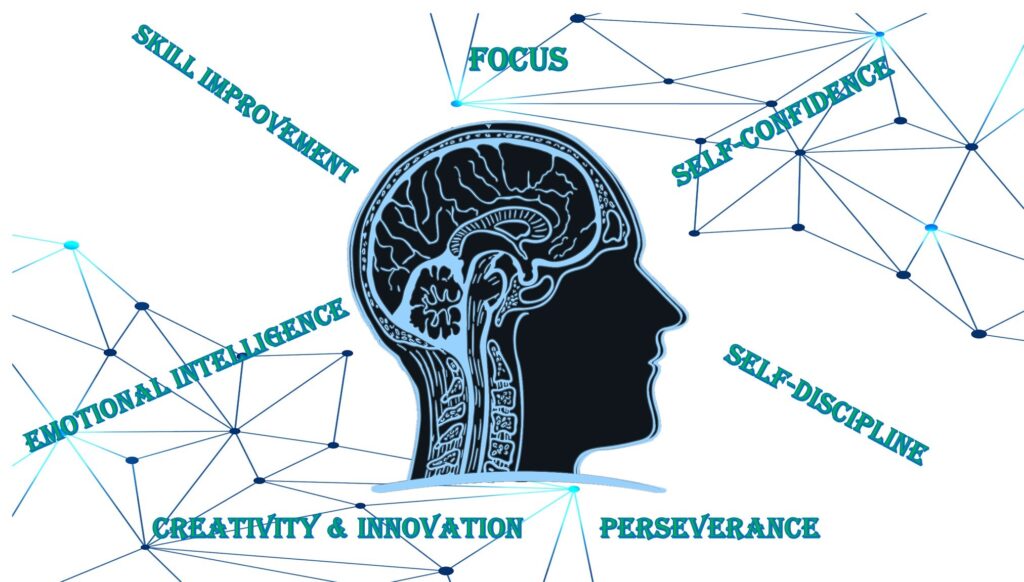
The human brain is the most complex organ in the human body and is capable of doing amazing things. The brain consists of a number of different regions that specialize in different functions. These regions are called lobes and they work together to receive and encode sensory inputs and process that information into a coherent whole, recognize patterns, problem-solve and learn new things. Simply put, your brain is the organ that makes you you – it’s the center of your consciousness.
There is lots of evidence that illustrates the importance of maintaining a healthy brain throughout one’s life. A healthy brain is responsible for and essential to many of life’s key functions, including your sense of self and your ability to think, reason, and learn. Your brain is responsible for all the things that make you human: your feelings, your ability to communicate and make memories, your creativity, your behavior and your ability to experience pleasure. In addition, a healthy brain can protect against neurodegenerative diseases like Alzheimer’s and Parkinson’s. So, it’s important to take care of your brain as you age so that you can stay healthy and enjoy a long and happy life.
If you’re reading this article then you probably already know how important brain health is for your general wellbeing and also how significant an impact poor brain health can have on your life if left unchecked. But what is brain health exactly? How can we stay mentally active so that the inevitable decline in our mental abilities doesn’t catch up with us? Read on for more information about brain health and its importance in your longevity and prosperity.
What are the basics and how does the brain work?
The brain is made up of roughly 90 billion neurons connected by a network of connections called synapses. Neurons are cells that receive information from other neurons, process that information, and send a signal back to the original neuron. The electrical signaling between neurons creates action potentials that travel along the neurons’ axons, dendrites, and cell bodies. These action potentials trigger chemical changes in the postsynaptic cells that send signals to other cells in the same way. By communicating with one another, neurons create the complex computational operations necessary for thought and memory. When you think about something, your brain is doing two main things: receiving information through your senses, and processing this information into a meaningful whole.
The brain consists of two hemispheres that are joined together by a band of tissue called the corpus callosum. It is divided into four lobes: frontal, parietal, temporal, and occipital. Each lobe is responsible for different functions such as executive functioning (frontal), sensory perception and spatial awareness (parietal), memory (temporal), and visuospatial processing (occipital).
Within the different regions (lobes) of the brain are different structural parts, with the most well-known being the cortex, the cerebellum, the thalamus, and the hippocampus. The cortex is a layer of gray matter that covers most of the surface of the brain and is involved in higher thought processes such as language, memory, and movement. The cerebellum sits behind the cortex and plays an important role in motor coordination and balance. The hippocampus is located above our ears in the temporal part of the brain and plays an important role in learning and memory. The brain also has two main types of cells: neurons and glial cells. Neurons are specialized cells that carry electrical signals between one another and across long distances to stimulate other neurons. Glial cells are non-neuronal cells that protect neurons, support their structure, supply nutrients, release hormones, and regulate blood flow.
Most neurons are one of two types: excitatory (which fire when the neuron receives input) or inhibitory (which dampen the firing of other neurons). A key role of the brain is to process information from the senses. The brain then interprets this information and generates responses.
In addition to processing sensory information, the brain also has a number of other roles. It controls motor functions like walking and talking, as well as mental functions like thinking, remembering, and understanding. It also generates our feelings like pleasure, pain, anger, sadness, and joy. Finally, the brain helps keep the body healthy by regulating various processes like body temperature and blood pressure, and as a whole it forms a complex network that allows for human thought and behavior.
What is brain health?
The term ‘brain health’ may be viewed as a subset of the term ‘eudaimonia’, or the quality of life, which may be sought through various healthy lifestyle and dietary interventions. In scientific parlance, maintaining functional and structural integrity of the brain including sustaining optimal mental and cognitive function throughout one’s life without underlying brain diseases that affect normal brain function can be said to constitute brain health.
Brain health is about more than just staying physically active though. As noted above, it’s about improving your lifestyle so that you don’t have to rely on medication or other treatments as you age. It’s about creating a healthy environment for your brain and developing habits that support your brain’s healthy functioning. When you maintain a healthy brain and lifestyle, you importantly decrease the risk of developing age-related cognitive impairment.
Likewise, if your brain is healthy, you can remain active, creative and motivated. You can learn new skills, solve problems and create new things. You can experience more pleasure and remain committed to your goals. Your brain is a huge part of your well-being, happiness and prosperity.
Most of us don’t think about our brain health as something that changes throughout our lifetime. But it does. We can’t expect to maintain a high level of function and performance from our brain without tending to its care. We have to work to maintain our brain health as we age.
The most important things we can do to maintain our brain health as we age is to eat a healthy diet, keep physically active and get enough sleep. Beyond that, it’s important to stay connected to a social support system, engage in joyful activities to handle adversity and partake in problem-solving tasks to help maintain our mental fitness.
Exercise to stay brain-fit
Exercise is an important part of any brain health strategy. Regular exercise can help you to feel healthier and happier as you age, which can improve your adherence to other health-promoting activities, like diet and sleep. Regular exercise has been shown to improve a number of health outcomes, including your memory and attentiveness. By increasing blood flow to your muscles and brain you increase oxygen levels and neuroprotective proteins which promotes healthy cognitive function, quicker learning and a sense of clarity. It has also been found to decrease the risk of dementia and improve cognition among older adults. Perhaps most importantly, exercise has been shown to increase the thickness of the brain’s grey matter, which improves cognitive function.
In addition, exercise can lead to improved brain health through mood enhancement. The act of exercise boosts motor activity which increases the firing rate of neurons that make serotonin leading to an increase in serotonin production and release. Furthermore, tryptophan, the brain’s serotonin precursor, also increases after exercise. Through the enhanced production of “happy” hormones like serotonin regular exercise has also been shown to decrease symptoms of depression, which can help to prevent the condition in those who are at risk of its development. Likewise, it has also been linked to better mental health in other ways, including decreasing stress and anxiety, which has a big impact on your brain health.
You don’t have to commit to joining a CrossFit gym or running a marathon to reap the health benefits of exercise. There are many different kinds of exercise, so you can pick something that appeals to you and your schedule. And with exercise being one of the best ways to preserve your brain health, finding something befitting to get you moving will work wonders on your brain and give you something to thank yourself for later.
Proven strategies for brain health
There are a number of strategies that have been proven to improve brain health, including eating a healthy diet, getting enough sleep and socializing. Many nutrients are important for brain health, including protein, vitamins, minerals and fats. Some foods that are good sources of these nutrients include fish, chicken, eggs, beans, nuts, seeds, leafy greens, whole grains and vegetables. Ensuring your diet is nutrient rich with an emphasis on high levels of micronutrients and fiber will support cognitive function and reduce the risk of developing cognitive impairment. Reducing unhealthy dietary components such as saturated fat and sugar improves blood sugar levels, which in turn can help to improve memory and also reduce the risk of cognitive decline as you age. Eating a healthy diet is also important for maintaining a healthy weight, which can improve brain health by reducing the likelihood of developing conditions, like heart disease, diabetes and hypertension.
Getting enough sleep each day is essential for optimal brain function, and research suggests that less than 7 hours per day negatively impacts cognitive abilities. In fact, sleep deprivation is linked to diminished concentration, memory, and immunity, and a potentially shorter lifespan. Socializing regularly with friends, family or co-workers has been shown to reduce stress, which also supports healthy cognitive function. And finally, meaningful activities like creative expression or learning new skills can keep the mind active and engaged. These types of activities along with socializing can offer a sense of meaning and purpose, which are critical for mental well-being and thus brain health.
Helpful habits for brain health
There are a number of habits that can help to improve brain health. A few examples are: (i) Daily meditation – Regular meditation has been shown to help prevent age-related mental decline and improve emotional well-being. The key is to find a meditation practice that works for you – there are several different types of meditation that focus on different benefits, such as breathing and visualizing. (ii) Reading – Reading is a great way to stretch your brain and keep it cognitively active. Reading for pleasure is different from reading for school or work – reading for pleasure is just having a book in your hand and reading for fun is anything you pick up just because you enjoy it. (iii) Challenging puzzles – Puzzles are a great way to keep your brain working, especially if you make them challenging enough to be challenging. Puzzles can be easy or difficult, but they should require you to use your problem-solving skills and your brain’s capacity for creativity.
Those aside, one of the most valuable habits to develop for brain health is having a regular bedtime. Having a regular bedtime is important because it helps your body know when to release melatonin, a natural hormone in the brain that helps regulate your circadian rhythm. This is the body’s internal clock that determines when you feel sleepy and when you feel awake. In addition, having a regular sleep schedule is important for the quality of your sleep and, as discussed above, for brain health. Interestingly, partaking in endurance and/or weight bearing exercises can increase melatonin production and create endorphins – natural painkillers in the brain – lowering stress and worry which altogether result in improved sleep.
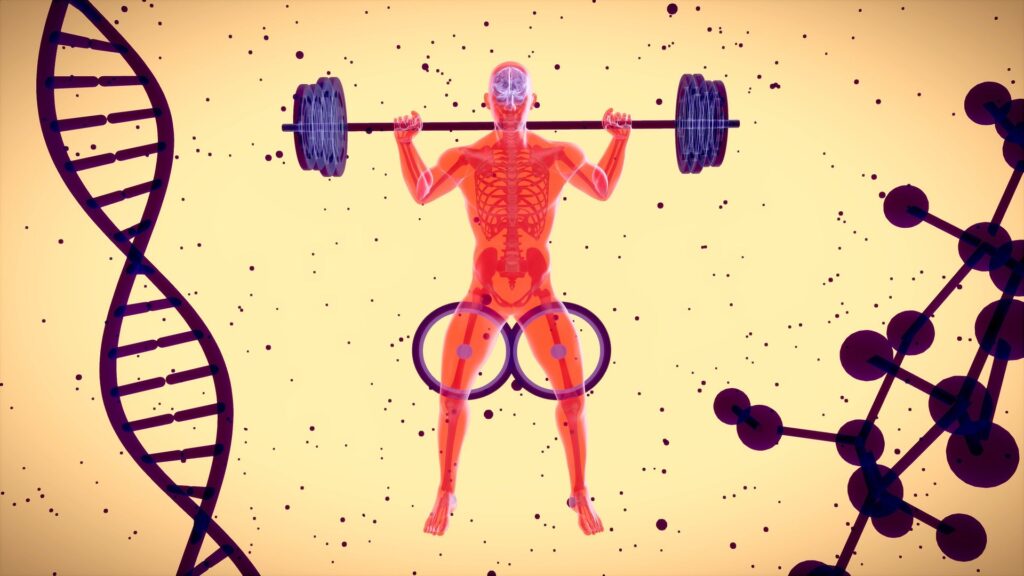
Regular exercise is another key habit for brain health. It’s been shown to improve brain health by promoting neuronal plasticity and increasing grey matter volume in the brain. Regular exercise can also help to delay the onset of cognitive impairment by promoting mental health and increasing resilience to life’s challenges. Another invaluable benefit of exercise that cannot be missed is its ability to regulate stress. Stress has been shown to negatively impact our mental and physical wellbeing. Stress is associated with poorer sleep, weakened immunity, increased risk of mental illness, and numerous other health problems. Exercise has been shown to have positive effects on stress, reducing its impact on our mental and physical health. Likewise, it has been shown to improve mood, reduce anxiety, and improve self-esteem. While all good habits have their place in our well-being, sleep and exercise rein supreme for brain health.
Brain foods that support healthy brain function
There are a number of healthy foods that can support brain health. Olive oil, nuts and seeds, fish, vegetables such as leafy greens, berries, citrus fruits, water and tea are all good dietary sources of health promoting nutrients. In particular, blue berries, spices like turmeric, avocados, nuts, cold-water fatty fish, dark chocolate, and dark greens such as kale, collard and broccoli have all been shown to have cognitive-enhancing properties. Healthy fats, like extra virgin olive oil, are important for brain health because they possess neuroprotective activities that can help maintain a healthy brain and as research has shown they can promote neuronal plasticity and improve memory. Whole grains and legumes can also help to maintain a healthy brain because they provide fibre, which helps to promote gut health and aids digestion.
A healthy gut is an important part of brain health because it protects against inflammation and promotes brain health by providing a stable environment for nutrients to be absorbed. It is also an important region for the production of essential neurotransmitters – signaling molecules for the brain. On the topic of gut-brain health, it would be amiss to not mention fermented foods that are great for your microbiome, one of which is kimchi, which you can think of as a vegetable probiotic. Feeding our gut microbes is of significant value for our well-being as gut bacteria affect the flow of information between the brain and the rest of the body. They do this by secreting neuroactive substances called peptides that bind to receptors in the gut. These peptides shape the way information is processed and perceived by the rest of the body. As well, they can cross the blood-brain barrier to affect mood and behavior, so this makes foods that feed our gut microbes a key part of brain health.
The role of a healthy brain in achieving success
The role of a healthy brain in achieving success is perhaps the most important aspect of brain health. When you maintain a healthy brain and lifestyle, you can decrease the risk of developing age-related cognitive impairment. This will reduce the chances of experiencing negative impacts, like poor decision-making, social isolation and poor self-care. When you maintain a healthy brain and lifestyle, you can also increase your mental flexibility and creativity. These are important for innovation and problem-solving and can also help to improve life satisfaction and emotional intelligence. Maintaining a healthy brain also increases your chances of achieving success by allowing you to access information more quickly and efficiently, recognise patterns and reflect on past experiences. In today’s complex world, being adaptive, innovative, making meaningful connections with others, and extracting meaning from data are key factors in achieving success. And to do this, brain health is paramount.
Conclusion
Healthy brains are important for your mental health and quality of life. They also allow you to achieve your goals and achieve success in life. There are many things you can do to maintain a healthy brain. Keeping a healthy diet, getting enough sleep, exercising regularly, being socially engaged, and taking care of your mental health can all help maintain or increase mental acuity. However, there is no doubt that the most important thing you can do is learn how to optimize your brain health through nutrition. By focusing on nutrition-related brain health, you can take advantage of the positive impact certain nutrients and foods have on your brain, which includes: increasing blood flow, protecting against degenerative diseases, reducing inflammation, and even increasing neuroplasticity.
As the Greek philosopher Heraclitus is quoted to have said: “change is the only constant in life.” The best way to keep up with life’s ongoing change is to keep learning and growing. Success is not an end point; it is an ongoing journey. In today’s rapidly changing world that requires continual self-improvement and increasing amounts of knowledge, tending to brain health is vital to your success to ensure you remain mentally sharp and capable of new skill acquisition.

Robert G. Jesky, MMed., PhD
Robert is a neuroscientist, lecturer, science educator, athlete, and musician, who has dedicated his life to studying the intersection between brain function, nutrition, and health and wellness. He is committed to equipping others with vital information about health promotion and disease prevention. Robert is keen to bridge the gap between the scientific community and the public at large by sharing cutting-edge brain health and evidence-based science that helps broaden people’s understanding of how their brains work and what they can do to maximize their potential.
Image credit: Image by Gerd Altmann from Pixabay




Responses