
How To Tackle Persistent Mood Disorders: A Guide to Mental Health

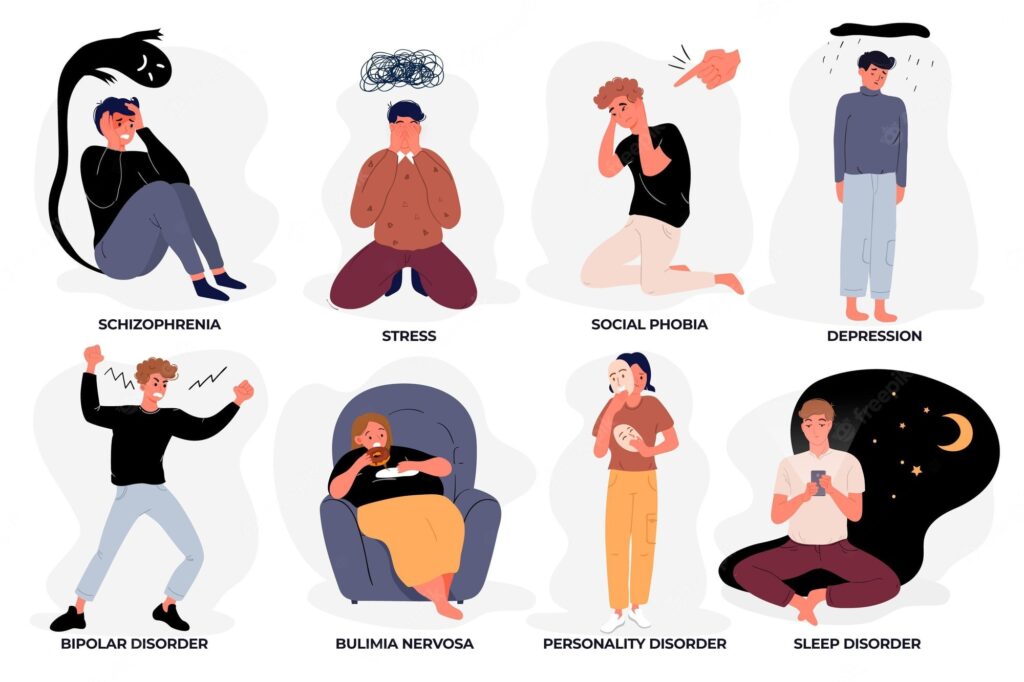
Mental Health can be incredibly challenging to live with. Those who are unfortunate enough to be struck by various different mental illnesses may find their lives become unmanageable, and their condition even interferes with the way they function on a day-to-day basis. Readers who suffer from mental health issues know that they can be both difficult and challenging to deal with – but it’s not impossible to tackle! There are a lot of people out there that have had these problems before you, and they were able to overcome them and lead happy and healthy lives. There are also many methods that you can use in order to tackle persistent mood disorders. The trick is finding the right balance between exercise, diet and nutrition, self-care, removal of stressors and support groups. When it comes to mental health, it’s important to find an activity that works for you and makes you feel empowered. There is no one-size-fits-all approach to exercise, and the same goes for mental health. Finding your mental health exercise will be different from someone else’s, just as finding the right diet that works for your mental health. When your mental health begins affecting your life significantly it’s a call to action and a sign you need to start addressing your mental health by making lifestyle changes to live a healthier and happier life. If you’re experiencing symptoms of mental health disorder like anxiety, depression, trauma, stress, etc. it’s essential to seek help. Indeed, there are actions you can take personally, but the most important thing is to start taking action. Below are some ways to tackle persistent mood disorders like depression.
Exercise
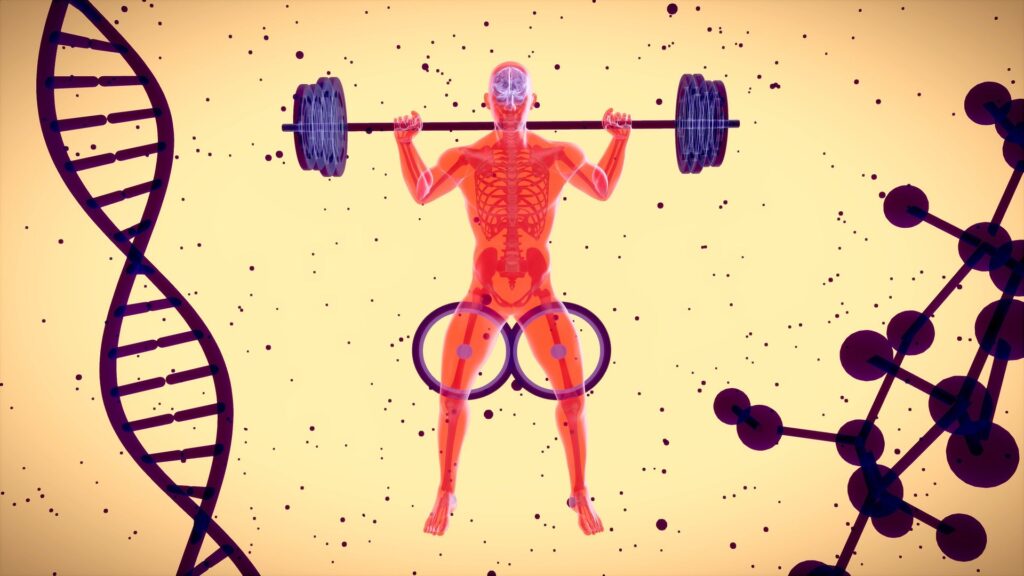
Exercise is more than just a way to keep fit – it’s also great for improving your mood! If you suffer from a mood disorder, chances are you might experience more than just a bit of anxiety. Exercise is a great way to calm down your nervous system and reduce stress. It can also help you sleep better thanks to the release of endorphins. Finding the right exercise can be helpful, too. Some people find that working out with heavy weights is better at reducing stress than lifting light weights, so don’t hesitate to try both. Swimming or working out in water can be great too if you have a lot of stress due to things like loud noises or a tough environment. Exercising outside in a park or place of natural beauty can be helpful if you have a lot of stress due to things like crowds or uncertainty.
Exercise has also been shown to improve your sleep, increase your energy levels, and improve your overall sense of well-being. These benefits can be especially helpful if you experience depression or another mood disorder. Additionally, exercise has been shown to reduce the risk of developing conditions like obesity and Type 2 diabetes, both of which are common among people with depression. When it comes to exercise, you may want to focus on activities that have mental benefits as well. For example, yoga and tai chi have both been shown to reduce stress. If you’re aiming for something less rigorous, you may want to try walking. Walking has been shown to reduce stress, improve your mood, and even improve your mental health. All in all, exercise is a great way to get your feelings and thoughts under control, and can be a great way to start tackling mood disorders.
Diet and Nutrition
Eating well is something that a lot of us know we should do, but few of us actually take the time to do. A healthy diet that’s rich in vitamins, minerals, fiber, and other nutrients is essential for good mental health as well as physical health. It can help protect against anxiety, stress, and other mental health issues. Nutritional deficiencies can worsen existing mental health problems, increase anxiety, and cause sleep problems. It’s important to get at least the recommended daily intake (RDI) of nutrients from your diet to maintain a healthy mental state. An unhealthy diet can contribute to poor mental health and exacerbate existing problems. Nutrients that shown to be especially important in maintaining mental health include the likes of: omega-3 fatty acids, iron, zinc, B vitamins, and related essential minerals.
Omega-3s are a type of fat found in certain foods, including fish, seeds, and nuts. They are especially important for mental health because they are critical for brain health. Iron is a mineral that is critical for mental health because it’s necessary for red blood cell production. Low iron levels in the blood can cause feelings of fatigue and exhaustion. Zinc is another important mineral for mental health. It’s critical for the regulation of testosterone and other hormones. Zinc also supports the health of your immune system. B vitamins are nutrients that help your body produce energy. People who don’t get enough B vitamins may experience symptoms like fatigue, weakness, and difficulty concentrating.
Other minerals that have been shown to help with mood include selenium, potassium, calcium, and magnesium. These minerals are essential to overall health and can be found in a variety of foods. Some foods that are high in selenium, potassium, calcium, and magnesium include fish, seafood like shellfish, leafy cruciferous vegetables, nuts and seeds, beans, mushrooms, and eggs. You may also consider taking a supplement if you are not getting enough of these nutrients from your diet.
Selenium is a key antioxidant that can help with mood and decrease the risk of depression. Potassium reduces stress and anxiety and improves sleep, and calcium combats stress and improves mood. Magnesium, particularly magnesium glycinate and L-threonate, helps you relax, fall asleep faster, and stay asleep longer, which is associated with mood improvement.
It’s easy to fall short on a healthy diet with so many tempting snacks and fast foods around. So, if you aren’t eating a balanced and healthy diet already, don’t worry! It’s never too late to start eating better. A key point that may motivate you is to know that it’s a great way to improve your mental health without having to take any medication.
Meditation and Self-care
In today’s society, we are all incredibly busy and overworked. It’s really easy to get caught up in our own heads, and worry about tons of different things. It’s important to take some time each day to calm your mind and relax your body. Doing so will help you to feel much better both physically and mentally. There are a ton of different ways that you can relax your mind and ease your stress. One of the most recommended and easiest ways is through the process of mindfulness. Mindfulness is the act of being in the present moment without judgement. It’s a form of meditation that can be done at any time throughout the day.
Meditation is a great way to relax and unwind and get your worries, fears, and anxieties out of your head. Meditation doesn’t mean just sitting around in the lotus position for hours on end. It is not just a practice for monks in a monastery. It is important to know that meditation is used by most of the world’s top performers from artists like Katy Perry to athletes like Michael Phelps. Breath work and visualization are two common types of meditation. Visualization meditation is a technique wherein you focus on images to cultivate mindfulness.
To get going, start off small, say with a 5-minute meditation, and then gradually increase the time. You can choose whatever method works best for you. In the beginning, it is normal to have loads of thoughts. It is natural and experienced by all. What you have to do is acknowledge them and then let them go. Stay focused on your breathing or on the image you have chosen. It is important to stay relaxed, don’t stress out if you keep thinking about other stuff. Every time you notice that your mind has wandered off, just acknowledge it, let the thought go and then come back to your focus. As the research indicates, meditation is a wonderful method for improving mental health and taking care of oneself. The benefits that people may experience from practicing meditation include increased emotional stability, increased imagination and creativity, increased focus and enhanced mental awareness, pain relief, and more.
Dynamic Brains
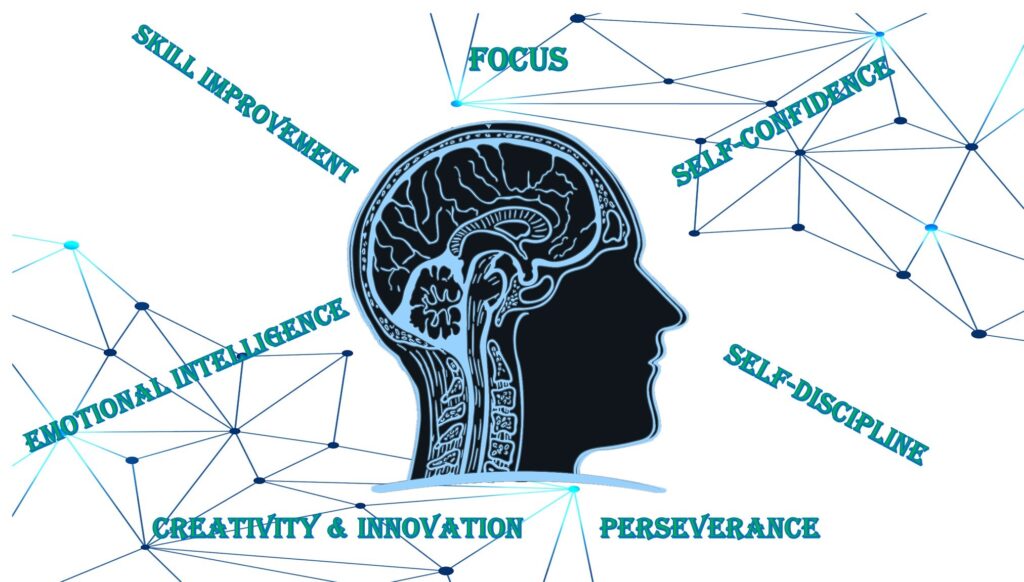
The person you perceive as “I” and how you categorize yourself is not set in stone. Your brain can be moulded and shaped through experiences and choices you make. Keep reading to learn more about how neuroplasticity works and how you can make it work for you.
Neuroplasticity is the idea that our brains are essentially malleable and possess the remarkable ability to reorganize themselves as they adapt to different experiences throughout one’s lifetime. What does this mean? Basically, our nervous systems can change their activity in response to stimuli by reorganizing the functions and connections of neuronal networks. This is achieved through two principal mechanisms:
- Functional Plasticity: This is the ability of the nervous system to adapt to the environment and generate new neuronal connections throughout life.
- Structural Plasticity: This is the ability of the nervous system to change its structure as we grow and mature via neuronal regeneration, also called collateral sprouting. This allows the brain to adapt to new situations and accommodate new information.
Structural plasticity is essential to healthy brain function and allows the brain to recover from injuries and trauma. It’s also thought to be involved in the development of certain diseases. Structural plasticity allows the brain to adjust to its environment. For example, if you start learning a new language, your brain will activate a network of neurons relevant to that language. With time and practice, this network will get “hardwired”, making it easier to process this language.
As we all know, learning a new language takes time. This is a perfect example to help us illustrate that you won’t see results overnight. Neuroplasticity is a process, not an event, and it can take time and effort on your part to achieve the results you want. Knowing that your brain is capable of changing and adapting helps us understand that it possible to learn new ways to cope with your problems. There are a number of different ways that you can use neuroplasticity to your advantage. You can also use neuroplasticity to help you develop new habits and routines or strengthen the ones that you already have. You can also use neuroplasticity to improve your physical health. And finally, you can use neuroplasticity to help you cultivate positive emotions and eliminate negative ones. Seeing as this adaptive tool requires new and repeated experiences, a helpful method of using it is to take up new routines or hobbies.
Take up a new hobby
It can be really easy to fall into a habit of doing the same things, day in and day out. While this can be comforting in some ways, it can also be incredibly isolating and detrimental to your mental health. It can also become incredibly easy to let your bad habits creep in, like drinking too much alcohol, or spending too much time online. You can try to combat this by trying to take up a new hobby. Hobbies can range from something as simple as reading to something as involved as painting, playing a musical instrument, or creating crafts and jewelry.
Hobbies can provide your life with enrichment, something that you can do that can help you grow as a person. Hobbies can provide a source of joy and pleasure. They can also be a source of stress reduction when done properly. Likewise, they can help you meet new people, and provide you with a supportive network of friends. Hobbies can also be a source of income, allowing you to make money while doing something you enjoy. Doing something that is completely different from your day-to-day life can help you to relax and unwind, and can be great for your mental health.
Remove life stressors
A lot of times, your mental health issues may come as a direct result of life stressors. Life stressors are things that cause you excessive amounts of stress, like work, family, and relationship problems. While stress is essential to a healthy lifestyle, too much of it can be very unhealthy. Stress can be both positive and negative. Positive stress can push you to exceed your limits and grow as a person. Negative stress is the kind that causes you too much anxiety and stops you from performing your best.
The way to reduce stress is to discover what’s causing it in your life and then either fix the problem or find a way to cope with it. The more stress you have in your life, the higher your risk for health problems. Stress can be both physical and mental, so there are many ways to reduce it. Some common ways to reduce stress include meditation, exercising, spending time with friends and family, and keeping a healthy diet. If you’re stressed and feel like you might be suffering from an anxiety disorder, talk to a doctor. There are many different types of medication and therapies that can help ease your stress levels.
Indeed, life stressors be incredibly difficult to deal with, especially when you have a mood disorder, or are suffering from anxiety or another mental health issue. But it is truly important to take time to figure out what the life stressors in your life are. Once you’ve identified them, you can try to find ways to remove them. This can be incredibly helpful for your mental health.
Support groups
Support groups are a great way for people with a specific health condition to come together and support each other. They can be incredibly helpful, especially when you’re dealing with depression to meet other people who are going through similar things to you. You don’t have to feel alone when you have people who understand what you’re going through. It’s much healthier to talk about your problems with others than it is to keep them bottled up inside of you. There are various support groups out there. You can find different online forums where people are supportive of each other and discuss their struggles with depression and related mental health issues, such as the one offered by NeuroSavi. This can prove beneficial by learning how others in a similar place as you have overcome their mental health problems and continued to thrive.
Conclusion
Life is full of challenges and obstacles, and mental health can be one of them. However, it doesn’t have to be an impassable hurdle. There are a variety of ways to tackle persistent mood disorders, and they don’t all require medication or therapy. You can start by making small changes in your life, like eating better and exercising, or trying out a new hobby. You may not see results right away, but over time, you will notice a difference in the way you feel. And that, my friend, is worth the effort. Mental health is important, so I implore you to not ignore it!
Some key references used in this article:
- Mahindru, A., Patil, P., & Agrawal, V. (2023). Role of Physical Activity on Mental Health and Well-Being: A Review. Cureus, 15(1), e33475. https://doi.org/10.7759/cureus.33475
- Basso, J. C., & Suzuki, W. A. (2017). The Effects of Acute Exercise on Mood, Cognition, Neurophysiology, and Neurochemical Pathways: A Review. Brain plasticity (Amsterdam, Netherlands), 2(2), 127–152. https://doi.org/10.3233/BPL-160040
- Jackson, M., Kang, M., Furness, J., & Kemp-Smith, K. (2022). Aquatic exercise and mental health: A scoping review. Complementary Therapies in Medicine, 66, 102820. https://doi.org/10.1016/j.ctim.2022.102820
- Alnawwar, M. A., Alraddadi, M. I., Algethmi, R. A., Salem, G. A., Salem, M. A., & Alharbi, A. A. (2023). The Effect of Physical Activity on Sleep Quality and Sleep Disorder: A Systematic Review. Cureus, 15(8), e43595. https://doi.org/10.7759/cureus.43595
- Khajuria, A., Kumar, A., Joshi, D., & Kumaran, S. S. (2023). Reducing Stress with Yoga: A Systematic Review Based on Multimodal Biosignals. International journal of yoga, 16(3), 156–170. https://doi.org/10.4103/ijoy.ijoy_218_23
- Kraft, J., Waibl, P. J., & Meissner, K. (2024). Stress reduction through taiji: a systematic review and meta-analysis. BMC complementary medicine and therapies, 24(1), 210. https://doi.org/10.1186/s12906-024-04493-3
- Kelly, P., Williamson, C., Niven, A. G., Hunter, R., Mutrie, N., & Richards, J. (2018). Walking on sunshine: scoping review of the evidence for walking and mental health. British Journal of Sports Medicine, 52(12), 800–806. https://doi.org/10.1136/bjsports-2017-098827
- Gulyaeva N. V. (2017). Molecular Mechanisms of Neuroplasticity: An Expanding Universe. Biochemistry. Biokhimiia, 82(3), 237–242. https://doi.org/10.1134/S0006297917030014
- Hagg T. (2006). Collateral sprouting as a target for improved function after spinal cord injury. Journal of neurotrauma, 23(3-4), 281–294. https://doi.org/10.1089/neu.2006.23.281

Robert G. Jesky, MMed., PhD
Robert is a neuroscientist, lecturer, science educator, athlete, and musician, who has dedicated his life to studying the intersection between brain function, nutrition, and health and wellness. He is committed to equipping others with vital information about health promotion and disease prevention. Robert is keen to bridge the gap between the scientific community and the public at large by sharing cutting-edge brain health and evidence-based science that helps broaden people’s understanding of how their brains work and what they can do to maximize their potential.
Image Credit: Trauma vector created by pikisuperstar




Responses